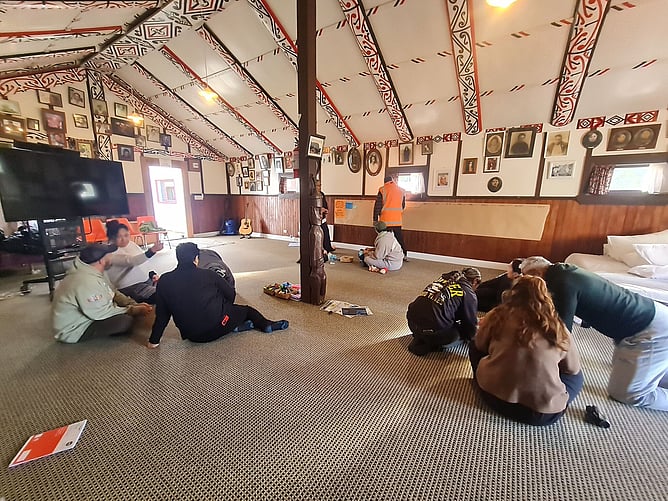
The most powerful strategies are not written in boardrooms.
They are shaped by the people who live and work within the systems the strategy is meant to guide.
Yet in many organisations, strategies are still designed by a small group of leaders or board members with limited input from the wider community.
Most of the time, this is not intentional.
Bringing large groups of people together, hearing many different perspectives, and reaching agreement on a shared direction can be challenging.
But when it happens, something powerful occurs.
The strategy becomes something that people genuinely believe in.
The Power of Collective Design
When a strategy is co-designed with the people it serves, it carries a different level of energy and ownership.
Those involved can see their own aspirations reflected in the vision.
They understand how their role connects to the wider direction.
And most importantly, they feel invested in bringing the strategy to life.
The more people who help shape a strategy, the more people there are committed to making it happen.
This is where collective design becomes transformational.
The strategy moves beyond being a document and becomes a shared commitment.
Why Facilitation Matters
Collective strategy design does not happen by accident.
It requires careful facilitation to create a space where people feel safe to contribute, where diverse perspectives are respected, and where the group can move toward a shared outcome.
This is particularly important when working with communities, hapū, and iwi, where decisions often involve complex histories, relationships, and responsibilities.
A skilled facilitator holds that space.
They guide the conversation, ensure everyone is heard, and help the group turn many different aspirations into a clear and meaningful strategy.
Strategy That People Believe In
When communities are invited to help shape the vision for their future, they respond.
Sometimes in numbers that surprise everyone.
People want to contribute to something that matters to them and to the generations that will follow.
When strategy is designed in this way, it carries authenticity, collective ownership, and a deeper sense of purpose.
And that is when strategy truly begins to take on a life of its own.

