Whakapapa holds a central place within te ao Māori.
It connects people to their ancestors, their history, and the journeys that have shaped who they are today.
This understanding is reflected in common phrases such as Ka mua, ka muri and Onamata ki anamata, which describe the idea of looking back in order to move forward.
For Māori, honouring the past is not separate from planning for the future. It is an essential part of it.
Bringing Whakapapa Into Strategic Planning
This principle plays an important role in AraHina’s strategic planning workshops.
When working with hapū and iwi, strategy sessions often begin by mapping whakapapa back to the arrival of the first waka connected to the community.
However, the same concept can also be applied to organisations.
Every organisation has its own whakapapa.
It includes the people, events, decisions, and milestones that have shaped the organisation over time.
Recognising this history helps organisations understand the foundation they are building upon.
Mapping the Organisation’s Journey
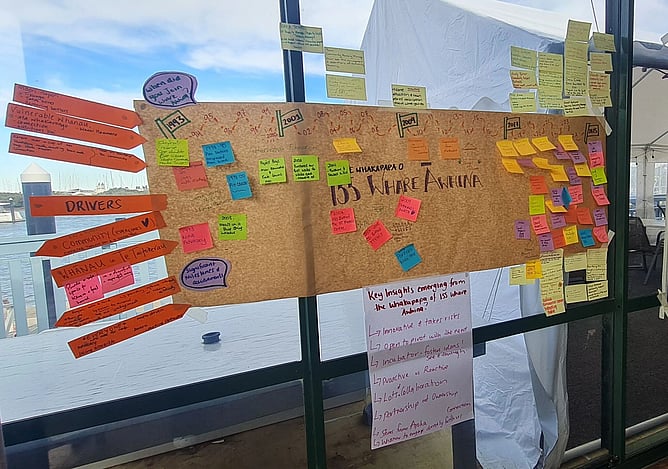
During strategy workshops with organisations, participants are invited to map the history of the organisation beginning from the moment its doors first opened.
Together the group:
places team members along the timeline according to when they joined the organisation
maps significant milestones, changes, and achievements
reflects on the events that shaped the organisation’s direction
Through this process, the group begins to see the collective journey that has brought them to the present moment.
Insights From the Past
This activity often reveals valuable insights.
Long-standing members of the organisation feel acknowledged for the role they have played in building the organisation.
Newer team members gain a deeper understanding of the history and values that have shaped the workplace.
Most importantly, the group begins to identify patterns, lessons, and strengths that can inform their future direction.
These insights become a foundation for the next stage of the strategy process.
From History to Vision
Once the organisation’s whakapapa has been explored, the workshop moves into visioning the future and developing the strategic plan.
Because participants have already reflected on the journey that brought them to the present, the conversations about the future carry deeper meaning.
The strategy that emerges often reflects both the legacy of those who came before and the aspirations of those who will carry the work forward.
A Strategy That Carries Mana
When a strategic plan honours the people and events that shaped an organisation, it carries a sense of continuity and purpose.
Participants recognise that they are part of a wider story.
The strategy becomes something more than a document.
It becomes a shared commitment that carries the mana of the past while setting direction for the future.

